
Some Star Wars characters are defined by their faces. Others are remembered for their costumes, their voices or the way they enter a scene. Darth Vader combines all these elements into one of the most recognizable characters in cinematic history. His black armor, iconic helmet and mechanical breathing have become inseparable from his identity.
But what happens when the armor disappears?
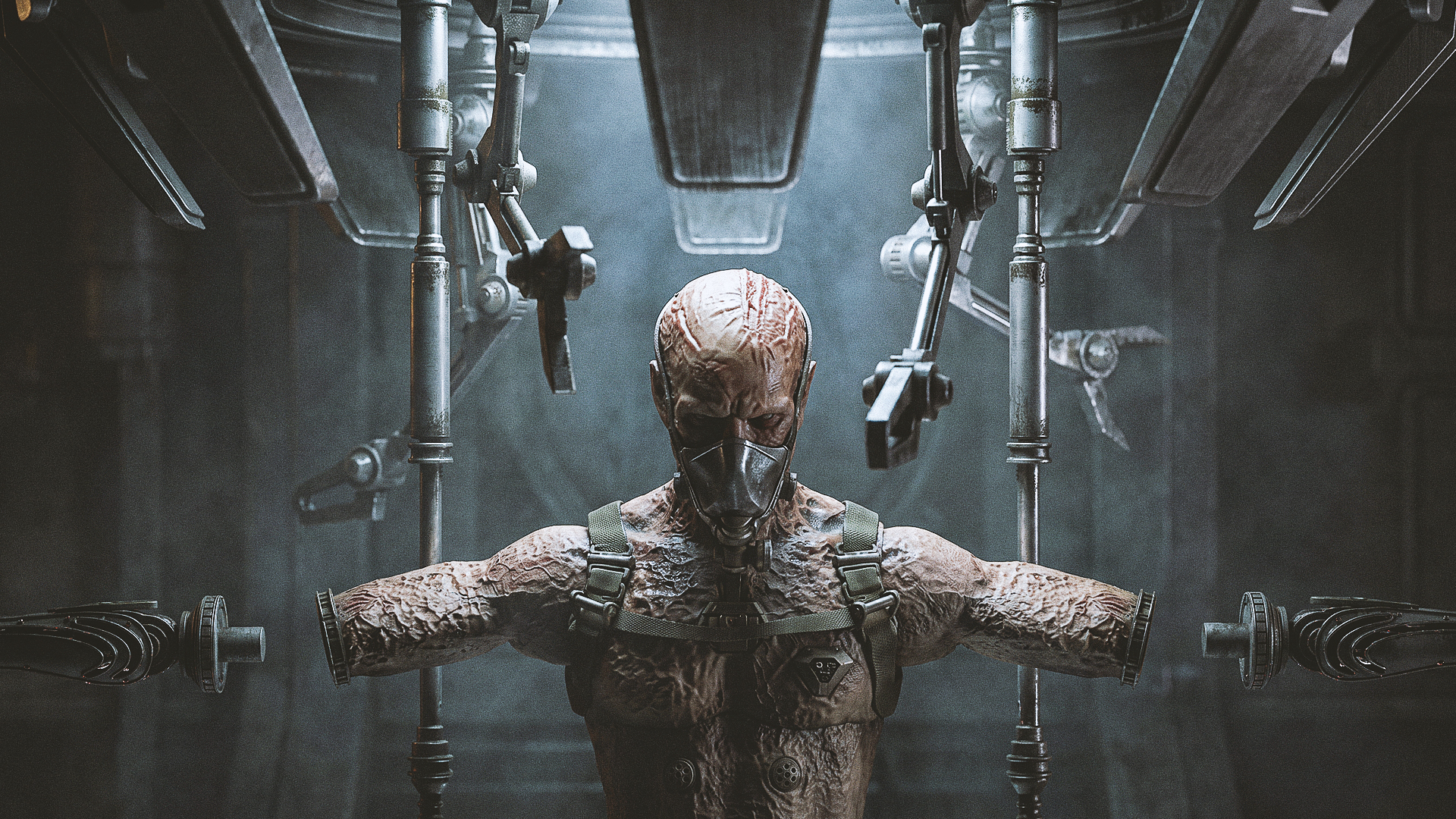
In Star Wars: Episode III – Revenge of the Sith, we witness the devastating transformation of Anakin Skywalker into Darth Vader. Years later, the Disney+ series Obi-Wan Kenobi offers another glimpse beneath the armor, showing Vader without his helmet inside a Bacta Tank, surrounded by the technology required to sustain his damaged body.
These two scenes reveal different stages of the same transformation. One shows the moment when Anakin becomes the Dark Lord of the Sith; the other exposes the scars, mechanical components and vulnerability hidden beneath his imposing appearance.
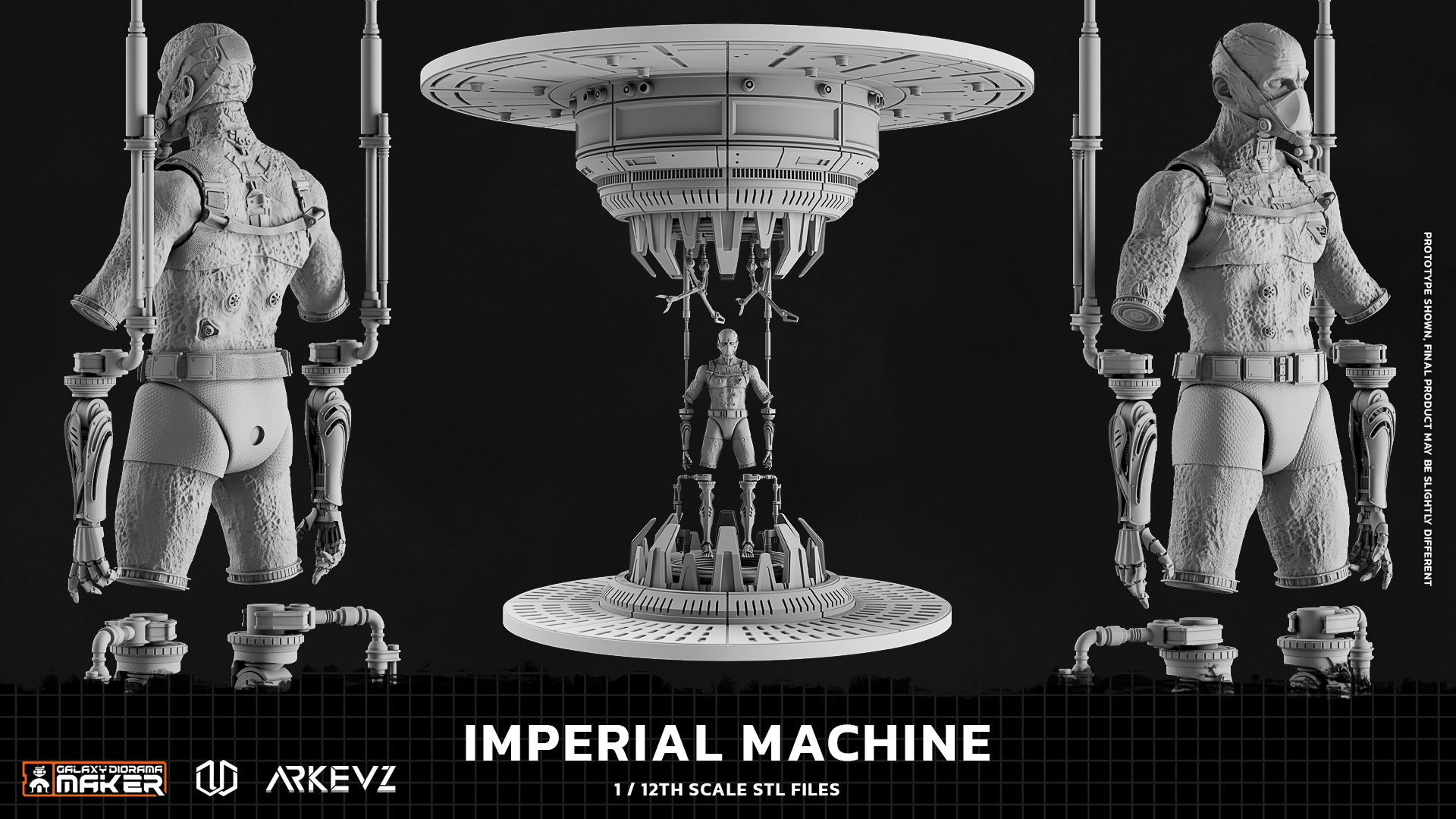
Both moments inspired our latest project at Galaxy Diorama: Vader: Imperial Machine, a collection of detailed Darth Vader 1:12 STL files designed for resin 3D printing. The project combines an articulated Darth Vader figure, a Bacta Tank diorama and a detailed operating table inspired by the final sequence of Revenge of the Sith.
The name is also a tribute to one of my favorite Star Wars comics, Darth Vader: Imperial Machine, written by Charles Soule and illustrated by Giuseppe Camuncoli. Our project is not a direct adaptation of the comic. Instead, its title expresses the central idea connecting every part of this creation: the increasingly inseparable relationship between Anakin Skywalker and the machinery that keeps him alive.
Through digital sculpting, articulated engineering and 3D printing, we wanted to explore Darth Vader from a different perspective, focusing not only on the iconic Sith Lord but also on the damaged human being beneath the armor.
One of the most striking aspects of the Bacta Tank sequence in Obi-Wan Kenobi is precisely what is missing.
Darth Vader is usually presented as an imposing combination of armor, helmet, respirator and mechanical components. These elements do more than protect his body: they define his silhouette and have become essential to the way audiences recognize him.
Inside the Bacta Tank, however, that familiar image disappears. Vader’s damaged body is exposed, revealing the consequences of the injuries that transformed Anakin Skywalker after his defeat on Mustafar. Burned skin, scars, prosthetic limbs and mechanical components tell a story that his armor normally conceals.
This was the starting point for our Darth Vader Bacta Tank diorama.
Rather than creating another version of the fully armored character, we wanted to reproduce one of the most revealing moments in his story. The Bacta Tank is not simply a transparent container surrounding the figure. It is part of the narrative, a technological environment designed to support a body that has become increasingly dependent on machines.
The operating table from Revenge of the Sith reveals the other side of this relationship. It captures the moment when Anakin’s damaged body is reconstructed and prepared for the life-support systems that will define his future.
Together, these two environments allow us to explore different stages of Darth Vader’s transformation through collectible-scale modeling and printable diorama components.
The story of Darth Vader has always been closely connected to technology.
Following his defeat by Obi-Wan Kenobi on Mustafar, Anakin Skywalker is left severely burned and gravely injured. His survival depends on extensive medical reconstruction, mechanical prostheses and life-support systems. His armor and respirator subsequently become essential parts of his existence.
The operating table represents the beginning of this new condition. It is where Anakin’s damaged body is reconstructed and prepared for the machinery that will become inseparable from his identity.
The Bacta Tank reveals another side of the same relationship. Here, technology is used to treat injuries and support recovery rather than intimidate enemies.
This contrast lies at the heart of Vader: Imperial Machine. Vader is not simply a man wearing mechanical armor. His biological body, prosthetic limbs, breathing apparatus and medical support systems form a complex relationship between the organic and the artificial.
For Galaxy Diorama, this concept provided an opportunity to create two complementary display environments. The operating table captures the process of transformation, while the Bacta Tank reveals its lasting consequences.
Both scenes offer a different perspective on one of the most recognizable characters in Star Wars, exposing the vulnerability beneath the imposing presence of the Dark Lord of the Sith.
The direct visual inspiration for the Bacta Tank version came from the Disney+ series Obi-Wan Kenobi, in which Darth Vader appears without his iconic helmet, surrounded by the equipment required to sustain him.
We spent considerable time studying the scenes from the series, examining not only Vader’s body but also the proportions of the tank, its mechanical elements and the way the figure appears within the transparent structure.
We also studied behind-the-scenes material and concept artwork created during the development of the series, including work by artists Brian Matyas and Shane Baxley. These references helped us understand the visual language of the production and translate its atmosphere into a collectible-scale model.
The challenge was to reproduce the cinematic image at a much smaller scale without sacrificing the sculptural detail that makes this version of Vader so distinctive.
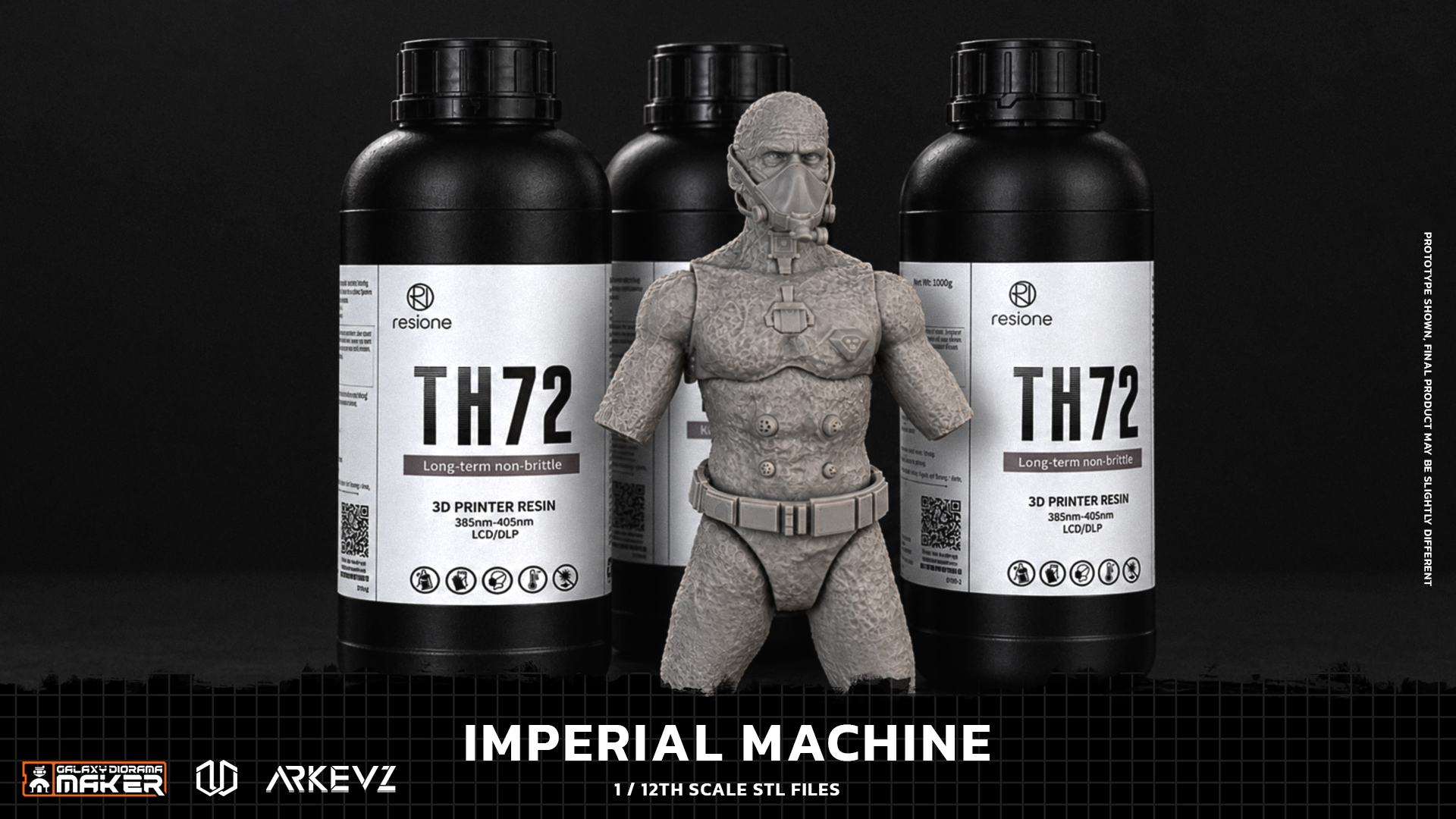
Our target was a 1:12 scale action figure, approximately 6 inches (15 cm) tall. The dimensions needed to remain compatible with the scale commonly used for collectible action figures, while the sculpting had to deliver the level of detail expected by collectors of premium figures.
The result is an articulated figure designed to be printed, assembled and posed rather than displayed as a static sculpture. Its components have been developed with both visual accuracy and practical resin 3D printing in mind.
The operating table introduces a different set of engineering challenges. Inspired by the final sequence of Revenge of the Sith, it recreates the distinctive medical apparatus surrounding Anakin during his transformation, adding a functional display feature that makes the scene more dynamic.
A fundamental part of the project was the work of Arkevz3d, who handled the 3D modeling of Vader’s body, the sculpting and the engineering required to transform the design into a functional articulated action figure.
This version of Darth Vader presents a very different challenge from the traditional armored character. The exposed body requires detailed sculpting across the skin, scars and mechanical components, all within the limitations of a figure approximately 15 cm tall.
Arkevz3d worked extensively on the texture of Vader’s burned and damaged skin, recreating the irregularities that make the character’s appearance in Obi-Wan Kenobi so distinctive. The mechanical details were sculpted with the same attention, ensuring that the biological and artificial elements work together as a coherent design.
The project also required careful engineering to preserve articulation. The head, torso, arms and legs can be moved, allowing the figure to be positioned for different display configurations.
This balance between sculpting and engineering is one of the project’s most important features. The model is not simply a highly detailed digital sculpture; it is designed to become a functional, articulated 3D-printed action figure.
Arkevz3d also developed an interchangeable head system for the Bacta Tank version. One configuration includes the dedicated breathing apparatus Vader uses while inside the tank. The alternative removes this apparatus, leaving his scarred face fully visible.
This distinction is important: the breathing apparatus is not Vader’s usual helmet or iconic mask, but a separate piece of equipment associated with his treatment inside the Bacta Tank.
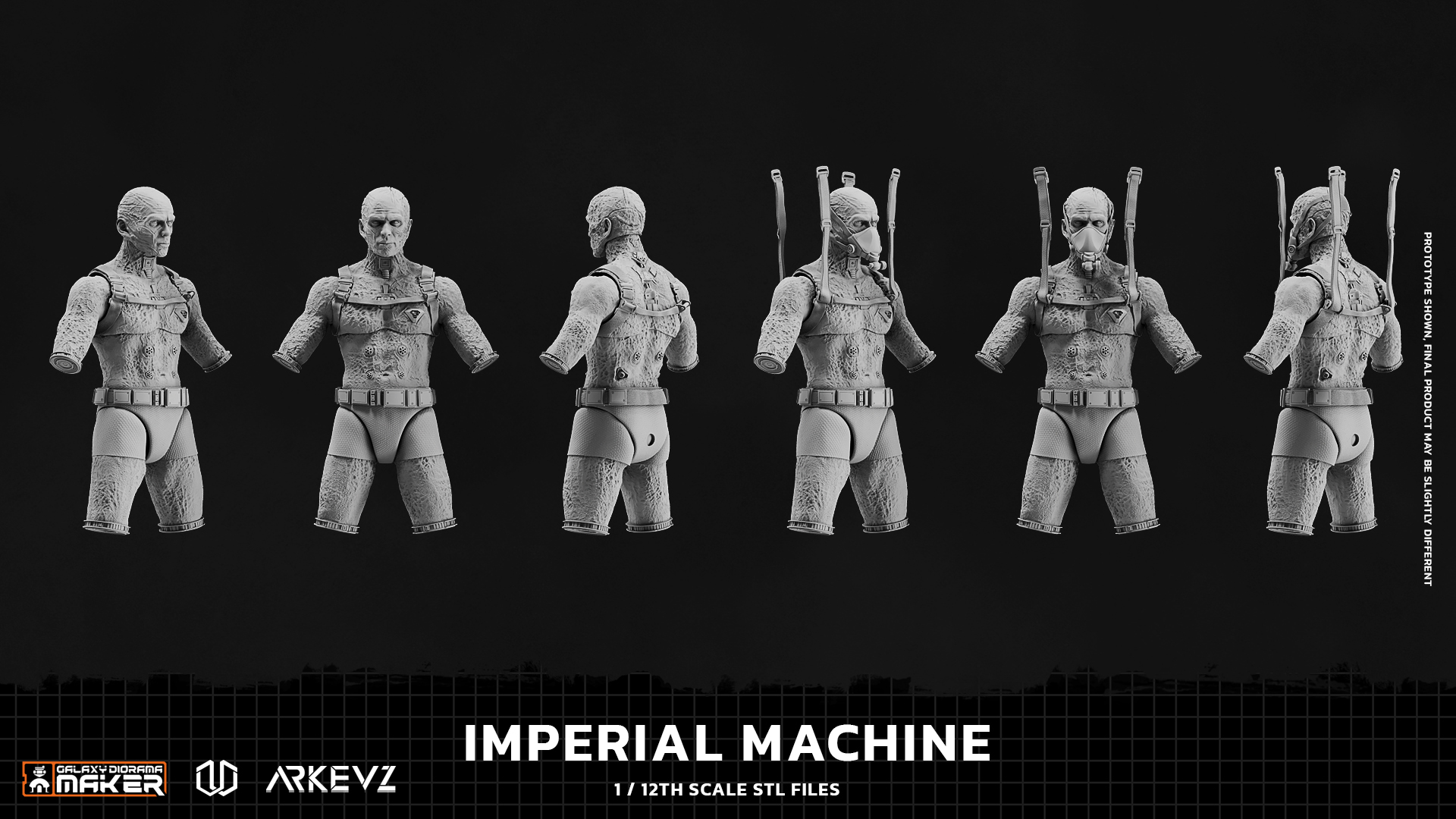
Solidsoulju contributed to two important parts of the project: Vader’s mechanical limbs and the detailed operating table inspired by Star Wars: Episode III – Revenge of the Sith.
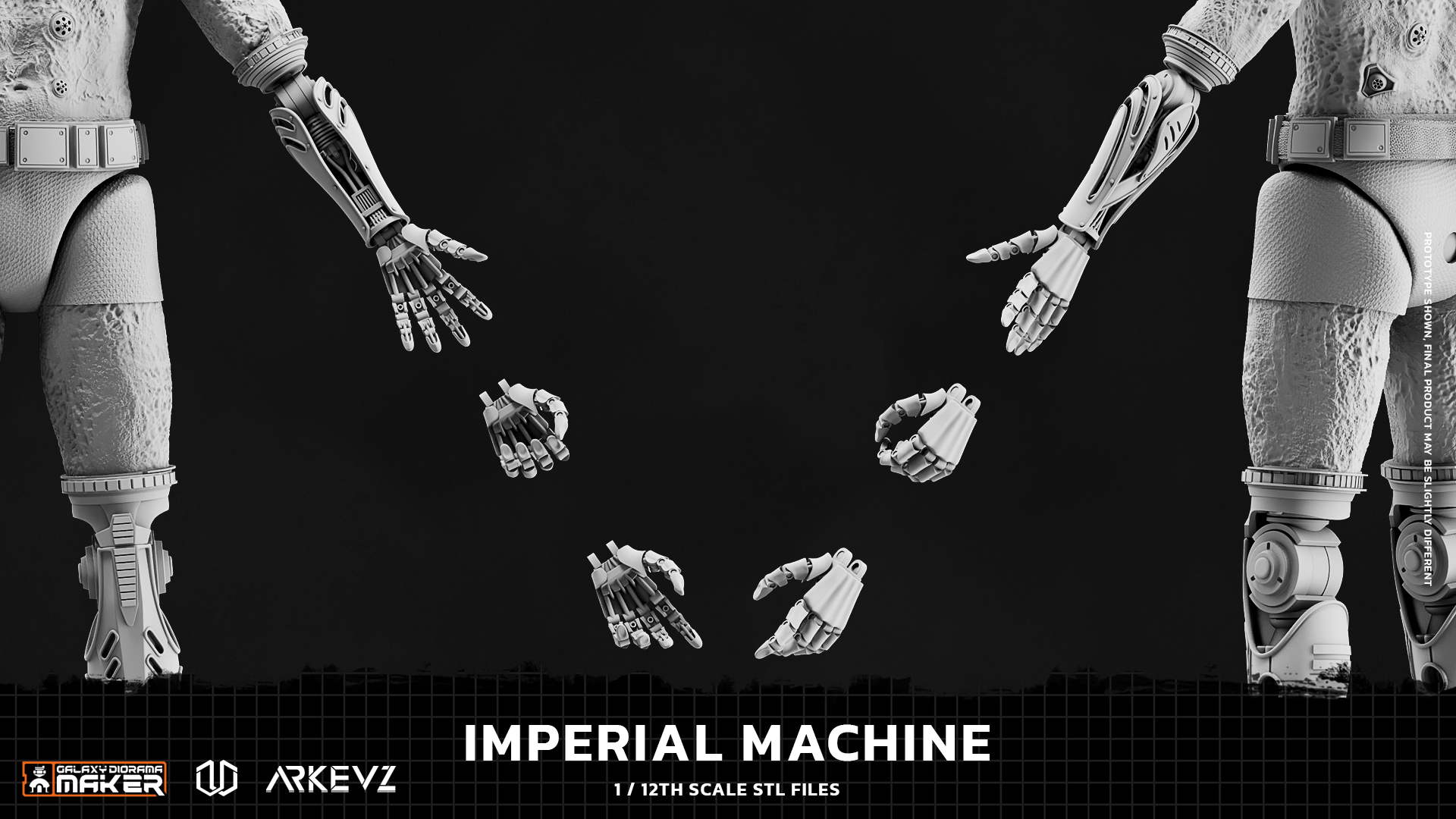
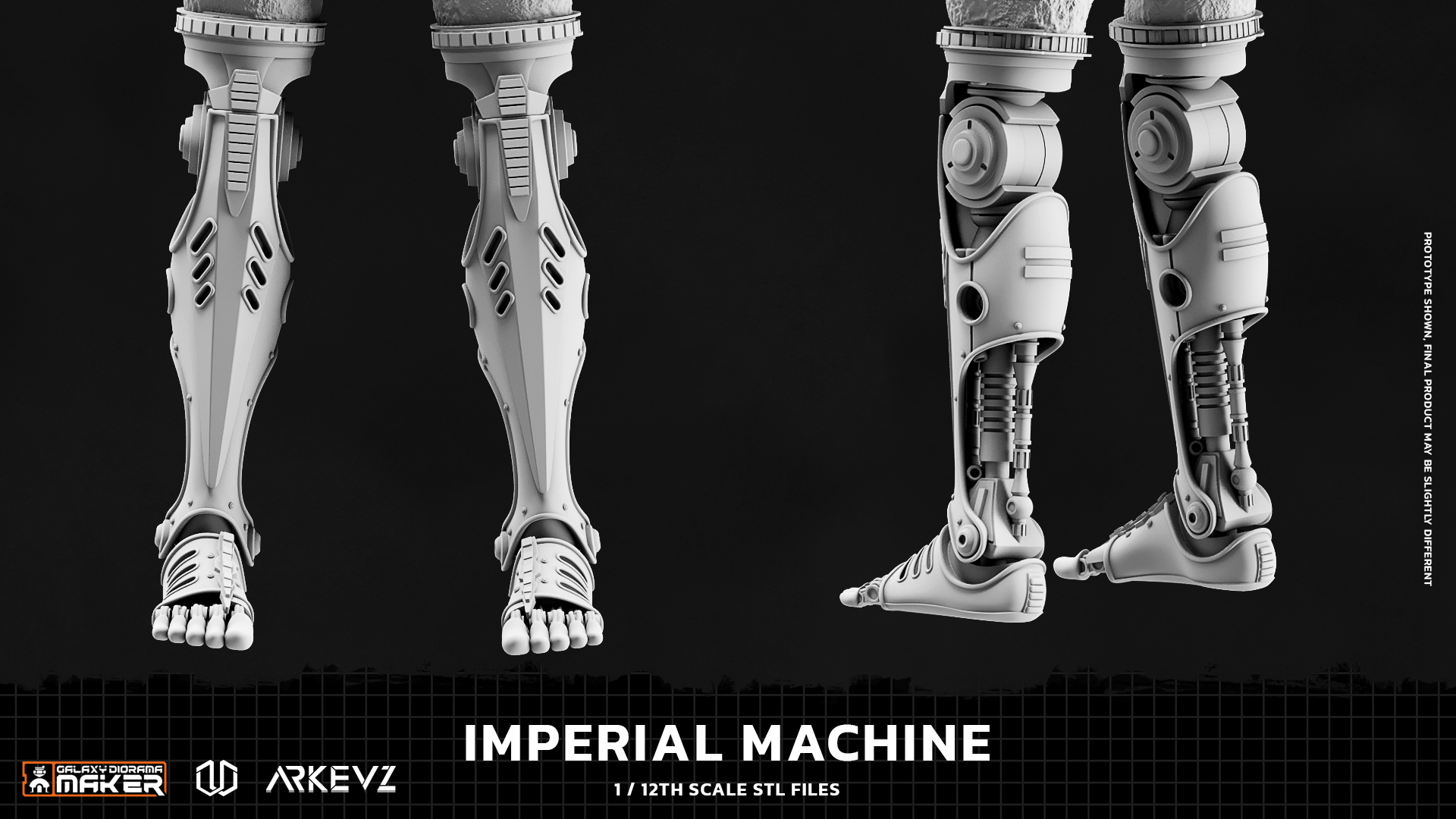
The robotic arms and legs were designed to combine a convincing mechanical appearance with practical assembly. Their connection system allows the components to be fitted together, while the articulated design provides flexibility when posing the finished figure.
The arms feature interchangeable hands, allowing different poses and configurations. The legs also incorporate articulation at the knees and feet, helping the figure maintain a more natural and adjustable stance.
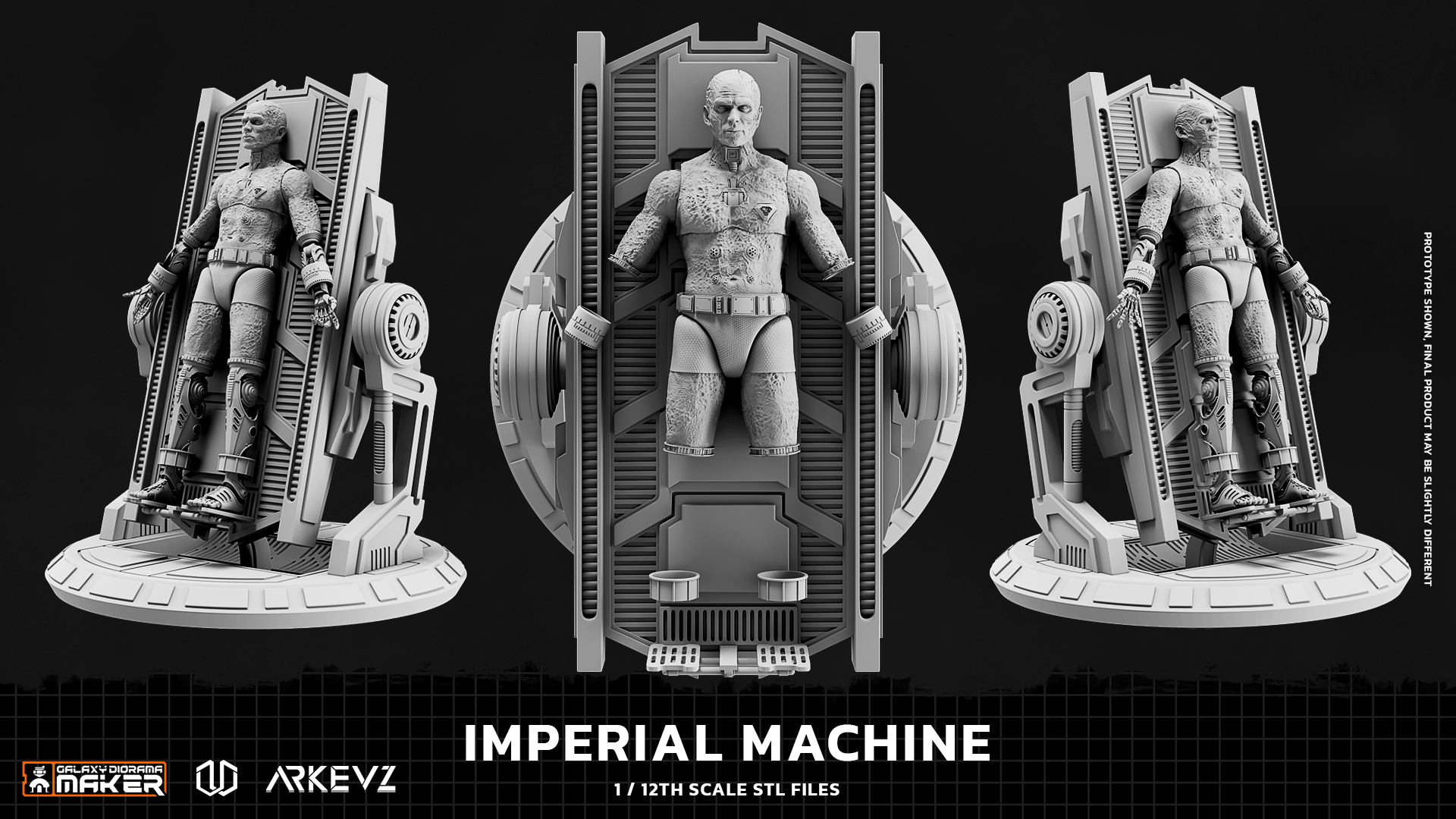
But Solidsoulju’s work extends beyond the figure itself. He also created the Darth Vader Operating Table STL, a detailed 3D-printable model inspired by the medical platform seen during the final sequence of Revenge of the Sith.
The table recreates the machinery surrounding Anakin Skywalker after his devastating defeat on Mustafar. Rescued by Emperor Palpatine, Anakin is transported to Coruscant and undergoes extensive medical reconstruction. Medical droids and specialized equipment prepare his body for mechanical prostheses and the life-support systems that will allow him to survive. The procedure culminates in the installation of his iconic black armor and helmet.
Solidsoulju’s 3D model captures the distinctive structure of this medical apparatus, with numerous mechanical elements and small details that reward close inspection. The result is much more than a simple display stand: it is a miniature environment designed to recreate one of the defining moments in Darth Vader’s story.
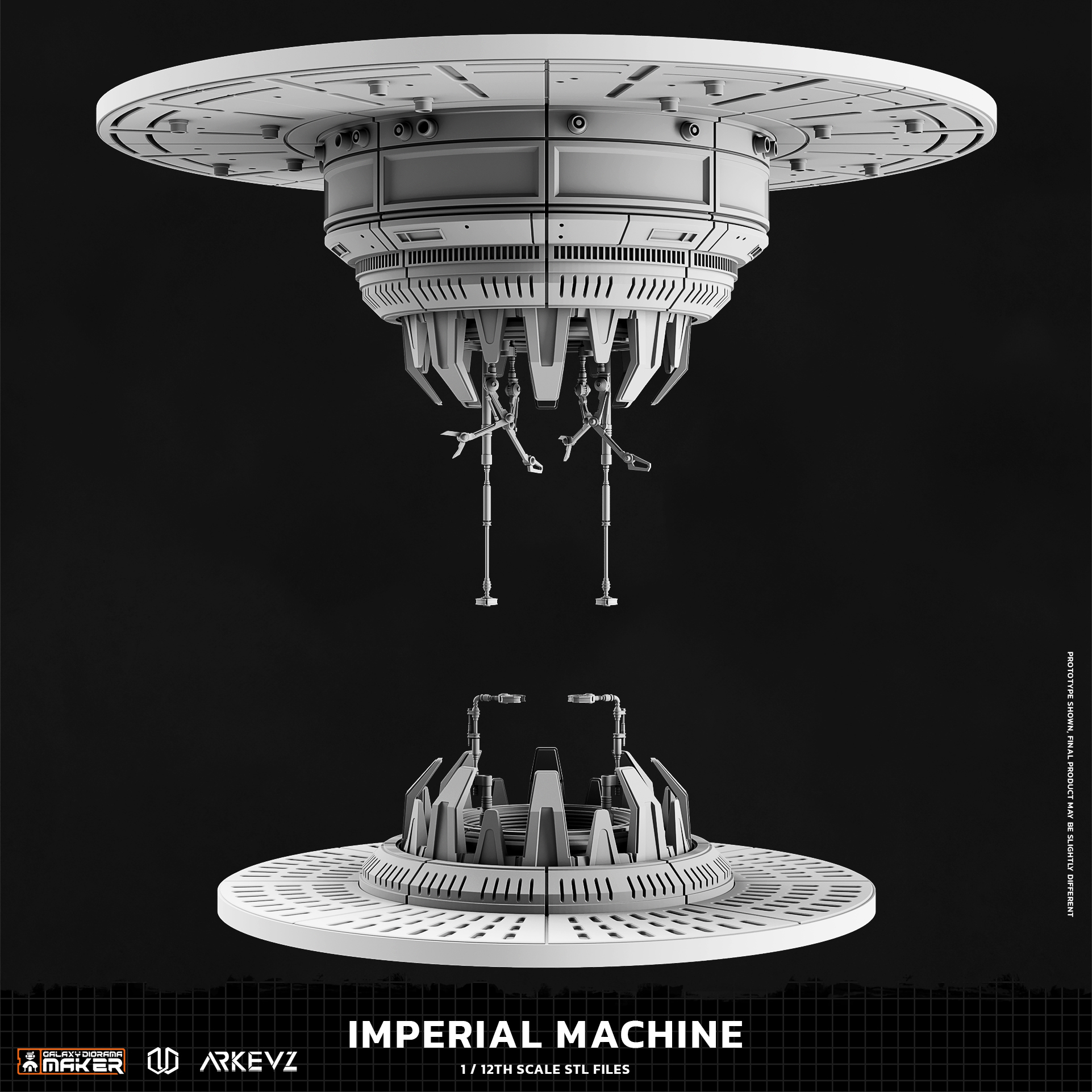
One of its most interesting features is the rotating operating table platform. This mechanism allows the table’s position to be changed, recreating the dramatic transition in the film when Anakin is raised into an upright position. The moving platform adds an interactive element to the model and provides greater flexibility when arranging the final display.
The set also includes a pair of hands with restraints, allowing collectors to recreate Anakin’s restrained position during the procedure. Combined with the detailed mechanical structure, these elements help bring the cinematic scene into 1:12 scale.
For collectors interested in Star Wars diorama STL files, articulated figures and display environments, this operating table offers something different from a conventional character base. It is designed around a specific narrative moment, with mechanical details and movement that contribute directly to the storytelling.
Together, the work of Arkevz3d and Solidsoulju, coordinated by Galaxy Diorama, brings the articulated figure and its surrounding machinery into a coherent project.
The final sequence of Revenge of the Sith is one of the defining moments in the Star Wars saga because it completes Anakin Skywalker’s transformation into Darth Vader.
After his defeat by Obi-Wan Kenobi on Mustafar, Anakin is left severely burned and gravely injured. Emperor Palpatine takes him to Coruscant, where he undergoes extensive medical reconstruction.
The operating table becomes the setting for this transformation. Medical droids and specialized equipment work on his damaged body, while mechanical prostheses and life-support systems prepare him for a new existence. Finally, the black armor and helmet are fitted, creating the imposing figure who will become the Emperor’s feared enforcer.
The moment when Vader’s helmet is lowered into place is particularly powerful. The sound of the respirator establishes the distinctive breathing pattern that will define the character throughout the original trilogy.
When Vader subsequently learns of Padmé’s death, his grief and rage erupt in a devastating outburst of Force power that destroys equipment throughout the medical chamber.
The operating table captures the moment when Anakin’s physical transformation becomes complete. It represents the boundary between the Jedi he once was and the new identity shaped by his injuries, his choices and Palpatine’s intervention.
This is why the Darth Vader Operating Table 3D model was designed to offer more than a static representation of medical equipment. Its rotating platform allows collectors to change the table’s position and recreate the distinctive transition seen in the film.
The included restrained hands add another layer of detail, helping reproduce Anakin’s posture during the procedure. Together with the mechanical structure and articulated figure, these components create a miniature scene built around a specific cinematic moment.
For collectors who enjoy recreating scenes rather than simply displaying individual characters, this is an important distinction. The model combines sculptural detail, mechanical design and an interactive feature to bring one of the most memorable moments in Revenge of the Sith into a printable display.
The Bacta Tank is the centerpiece of the second display environment.
Bacta is established in Star Wars as a substance used to treat serious injuries, and the Bacta Tank first appeared on screen in The Empire Strikes Back. The image of Luke Skywalker recovering inside the tank became one of the franchise’s most recognizable medical scenes.
In Obi-Wan Kenobi, the same technology provides a different perspective on Darth Vader. The transparent tank reveals his damaged body while the surrounding machinery reinforces the idea that his survival depends on complex technological support.
For our Darth Vader Bacta Tank diorama, the tank had to be more than a transparent cylinder. Its proportions, internal space and relationship with the figure were considered during the 3D modeling process to create a coherent display at 1:12 scale.
I personally worked on the 3D modeling of the Bacta Tank Diorama, coordinating the surrounding structure with the articulated figure and its visual references.
The transparent tube is particularly important because it frames the figure and establishes the characteristic appearance of the tank. Its dimensions must therefore be chosen carefully to ensure compatibility with the printed components and the intended proportions of the scene.
The result is a compact display that recreates the atmosphere of Vader’s Bacta Tank sequence while retaining the detail and presence expected from a collectible-scale diorama.
One of the most important details of the Bacta Tank figure is its interchangeable head system.
When Vader is inside the tank, he is not wearing his traditional helmet or iconic mask. Instead, he uses a dedicated breathing apparatus connected to the tank.
Arkevz3d developed a system that allows the figure to be displayed in two configurations. In one version, Vader wears the breathing apparatus used inside the Bacta Tank. In the other, the apparatus is removed and his face is completely visible.
This detail changes the character dramatically.
The helmet normally hides almost everything that connects Vader to Anakin Skywalker. Inside the tank, that barrier disappears. His exposed face makes the scars and damaged skin impossible to ignore, transforming the scene from an image of an armored villain into something much more personal.
The production of Obi-Wan Kenobi also required Hayden Christensen to approach the underwater sequence in a very physical way. During filming, he had to remain submerged and hold his breath because the apparatus used for the scene did not provide normal breathing. He also trained with a diving instructor to prepare for the experience.
The result on screen is a striking combination of stillness, vulnerability and mechanical dependence. The Bacta Tank is a place where Vader is temporarily removed from the violence and conflict surrounding him, even as the technology sustaining him reminds us how much his existence has changed.
These details were central to our decision to create a figure that could be displayed with or without the Bacta Tank breathing apparatus, giving collectors two different ways to interpret the scene.
The title Vader: Imperial Machine comes from Darth Vader: Imperial Machine, the Star Wars comic written by Charles Soule and illustrated by Giuseppe Camuncoli.
The comic is not a direct source for the visual design of our Bacta Tank figure or operating table. We are not recreating a specific panel or adapting the comic’s storyline into a 3D model.
Instead, the title gave us the conceptual language we were looking for.
The comic explores Vader through stories connected to his identity, power and transformation. Our project approaches the broader idea from a visual and sculptural perspective, focusing on the physical relationship between the character and the technology that sustains him.
The Bacta Tank figure draws its visual inspiration from Obi-Wan Kenobi, while the operating table references the final sequence of Revenge of the Sith. Together, they allow us to explore two different stages of the same transformation.
The next step is translating those cinematic references into physical form through digital sculpting, articulated engineering and resin 3D printing.
This is where the project becomes especially interesting for collectors and makers: the models are not just images of iconic Star Wars scenes, but printable components that can be assembled into detailed display pieces.
What makes Vader: Imperial Machine different from a conventional Darth Vader collectible is its focus on the details normally hidden beneath the armor.
The Bacta Tank figure has no iconic helmet dominating its silhouette, no cape flowing behind it and no lightsaber in its hand. Instead, the focus is on the scars, damaged skin, mechanical limbs, breathing apparatus and articulated joints.
The operating table presents another perspective, showing the machinery involved in the transformation itself. Its rotating platform and detailed components recreate the medical environment surrounding Anakin at the moment when his new identity is formed.
Both environments share the same visual foundation: the relationship between the human body and the machines that reconstruct, protect and sustain it.
For Star Wars collectors, custom action figure enthusiasts and 3D printing fans, this project offers a way to explore Darth Vader beyond his familiar armored appearance. The figure, operating table and Bacta Tank are designed to work together as narrative display pieces, bringing specific moments from the films and series into 1:12 scale.
The result is a different way of looking at one of the most recognizable characters in science fiction: not only through the iconic silhouette of the Dark Lord of the Sith, but through the machinery, scars and technology beneath it.
The Vader: Imperial Machine STL files will be available to purchase and download through two platforms: the Galaxy Diorama online store and Solidsoulju’s Patreon. Collectors and 3D printing enthusiasts will be able to choose their preferred platform to access the project.
The collection brings together the articulated Darth Vader figure and its dedicated display components, including the Bacta Tank Diorama and the detailed Operating Table inspired by Star Wars: Episode III – Revenge of the Sith.
Inside the project folder, you will find important notes covering printing and assembly, together with a dedicated video tutorial created by Arkevz3d. The tutorial covers the handling of freshly printed parts, component preparation, articulated joint assembly and fitting, recommended tools and materials, adjustments to improve durability and articulation, and the final steps for posing and displaying the figure.
For the best results, we recommend using RESIONE resins. For this particular project, the recommended mixture is 70% Tough 74 v2 and 30% Anti-Impact. This combination is intended to provide a good balance between strength, flexibility and durability, particularly for the articulated components.
A 5% discount on RESIONE products is available using the code GALAXY5.
As with any resin-printed articulated figure, preparation is essential. Before assembly, every component should be properly washed and fully cured, with supports carefully removed. Joints and connections should always be checked before fitting the parts together, and components should never be forced into position. Depending on the printer, resin, exposure settings and post-processing procedure, small adjustments may be necessary. These should always be made gradually and carefully.
We strongly recommend watching the Arkevz3d assembly tutorial before beginning the process. If you experience problems during printing, post-processing or assembly, Galaxy Diorama is available to provide support and help find a solution.
To complete the Bacta Tank Diorama, you will also need a transparent Plexiglass, or acrylic, tube. Choosing the correct dimensions is essential to ensure compatibility with the model.
The required specifications are:
External diameter: 100 mm
Wall thickness: 3 mm
Recommended height: 350 mm or greater
Final height: cut to the desired size
The recommended height of 350 mm is a starting point, not a fixed requirement. You can adjust the final height according to your preferred display configuration.
For this reason, we strongly recommend purchasing a tube longer than 350 mm whenever possible. It can then be cut to the exact height required, giving you greater flexibility when deciding the final proportions of the Bacta Tank.
The 100 mm external diameter and 3 mm wall thickness must be maintained to ensure compatibility with the diorama. Only the height can be adjusted according to your personal preference.
To make it easier to identify the correct type of transparent acrylic tube, we provide two example products from Plexishop and Amazon as visual and dimensional references. These are examples only, not permanent product recommendations. Availability, dimensions, specifications and prices may change, so always verify the measurements before purchasing.
With the printed components, recommended resin mixture and Plexiglass tube prepared, the Bacta Tank can be assembled into the complete display scene. The operating table follows its own assembly process, with particular attention to the rotating platform, connections and positioning of the figure.
The goal is to bring together sculpted detail, articulation and mechanical design in a display that recreates these defining moments in Darth Vader’s story.
At the end of the process, Vader: Imperial Machine becomes more than a 1:12 scale Darth Vader figure. It is a project built around two moments that reveal different sides of the same character: the transformation of Anakin Skywalker into the Dark Lord of the Sith, and the vulnerable figure who later depends on the Bacta Tank to recover from his injuries.
The operating table, with its detailed mechanical structure and rotating platform, takes us back to the moment when Vader’s new identity is formed. The Bacta Tank reveals what lies beneath that identity: a damaged body sustained by technology, still connected to the man who existed before the armor.
The work of Arkevz3d and Solidsoulju, together with the Bacta Tank modeling developed by Galaxy Diorama, brings these ideas into the world of 1:12 scale collectibles and resin 3D printing.
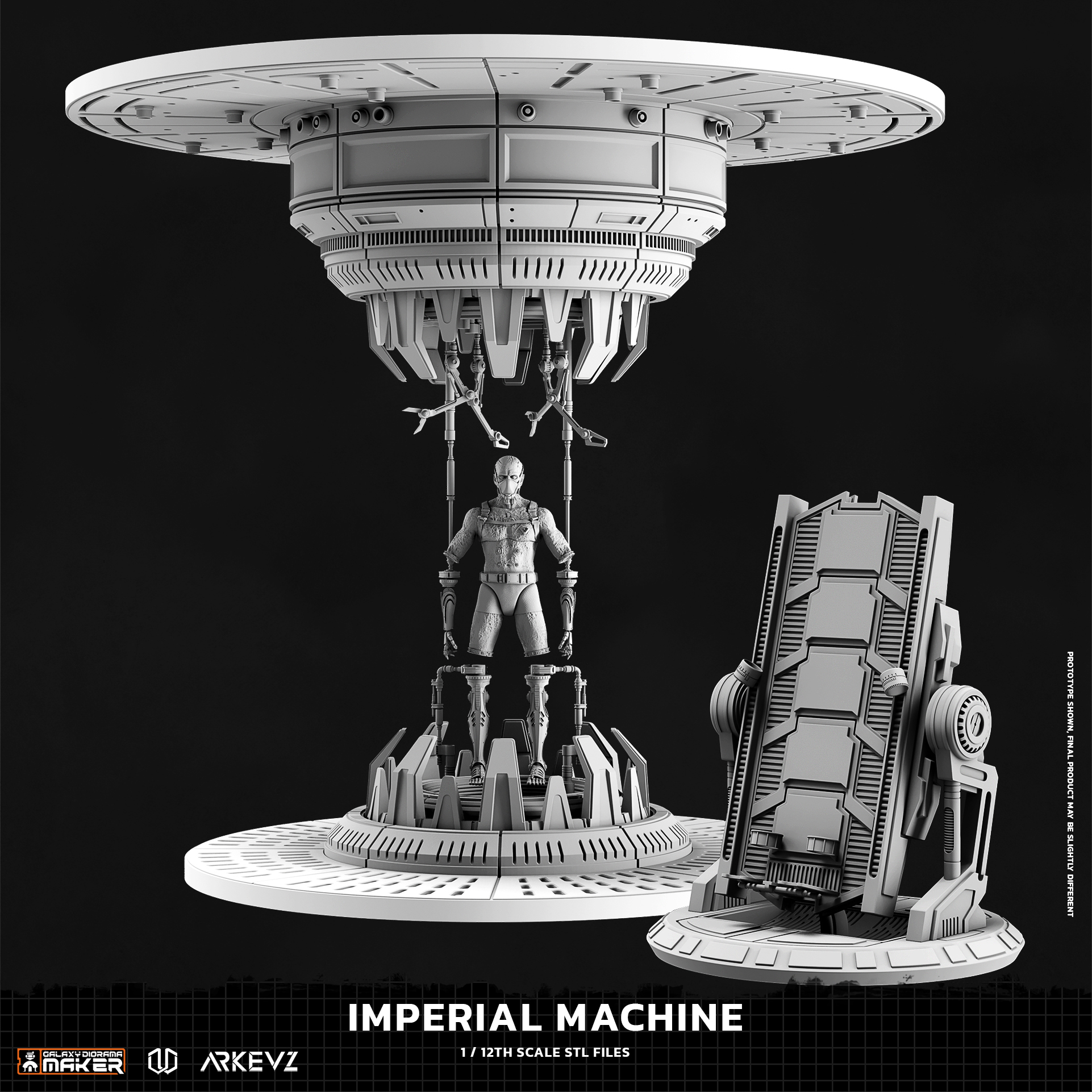
The Vader: Imperial Machine STL collection is intended for Star Wars fans, action figure collectors, custom figure makers and 3D printing enthusiasts who want to build a detailed display inspired by these iconic scenes.
The files will be available through the Galaxy Diorama online store and Solidsoulju’s Patreon, bringing the articulated figure and its related display environments together under one project.
From the comic that inspired its title to the cinematic references in Revenge of the Sith and Obi-Wan Kenobi, every part of this project returns to the same central idea.
Darth Vader is not simply a man wearing a machine. His identity has become inseparable from it.
Vader: Imperial Machine is ultimately a project about the transformation of a human being into an icon, and about the machinery, scars and technology that exist beneath the black armor.